
IPTV vs. Traditional Cable: The 2026 Cost & Channel ShowdownAs you consider your television viewing options for 2026, you’re likely weighing the pros and cons of IPTV services against those of traditional cable TV. The decision between these two comes down to several key factors, including cost, channel offerings, and overall viewing experience.
You might be wondering how these two options stack up in terms of monthly expenses and the variety of channels available. The landscape of television viewing is evolving, with IPTV services offering a potentially more flexible and cost-effective alternative to traditional cable.
As we dive into the details, you’ll get a clearer picture of what to expect from both IPTV and traditional cable TV in 2026, helping you make an informed decision about your television viewing.
Key Takeaways
- Comparison of IPTV and traditional cable TV costs in 2026
- Overview of channel offerings for both services
- Insights into the flexibility and viewing experience of IPTV
- Traditional cable TV’s strengths and weaknesses
- Guidance on choosing between IPTV and traditional cable for your needs
The Evolution of Television Services
In recent years, the television industry has witnessed a paradigm shift with the rise of IPTV. This change is driven by consumers’ increasing demand for more flexible and personalized viewing experiences. As a result, the television landscape is becoming more diverse, with different technologies competing for market share.
The Rise of IPTV Technology
IPTV, or Internet Protocol Television, delivers television content over internet protocol networks. This technology offers several advantages, including the ability to stream content on-demand and access to a wide range of channels without the need for traditional broadcast infrastructure. IPTV services can be tailored to individual preferences, providing viewers with a more personalized experience. As internet speeds continue to improve, IPTV is becoming an increasingly viable option for consumers looking for alternatives to traditional cable.
Traditional Cable’s Market Transformation
Traditional cable television has been the dominant form of television service for decades. However, in response to the rise of IPTV, cable providers are undergoing significant transformations. Many are now offering bundled services that include internet and phone packages, attempting to stay competitive. Despite these efforts, traditional cable still faces challenges, such as limited on-demand content and less flexible pricing models. As the market continues to evolve, it remains to be seen how traditional cable will adapt to the changing television landscape.
IPTV vs Traditional Cable: Core Differences Explained
In the rapidly evolving television industry of 2026, distinguishing between IPTV and traditional cable is essential for making informed decisions. As you consider your options, understanding the fundamental aspects of each technology will help you choose the best service for your needs.
What Exactly is IPTV?
IPTV, or Internet Protocol Television, delivers television content over the internet rather than through traditional broadcast or cable formats. This method allows for greater flexibility and personalization in viewing experiences.
Technical Foundations of IPTV
The technical backbone of IPTV involves using broadband internet connections to stream content directly to your devices. This is achieved through streaming protocols such as UDP, TCP, and HTTP, ensuring a stable and high-quality viewing experience.
Popular IPTV Service Providers in 2026
Some of the leading IPTV service providers in 2026 include:
- AT&T TV Now
- Hulu with Live TV
- Sling TV
- YouTube TV
These providers offer a range of channels and on-demand content, catering to diverse viewer preferences.
How Traditional Cable TV Works
Traditional cable TV operates by transmitting signals through a network of coaxial cables. This infrastructure allows for the delivery of a wide range of channels and content directly to your home.
Cable Infrastructure Basics
The infrastructure of traditional cable TV involves a complex network of cables and fiber optics that distribute signals from a central hub to individual households. This setup requires significant physical infrastructure.
Major Cable Providers in 2026
Major cable providers in 2026 include:
| Provider | Coverage Area | Notable Packages |
|---|---|---|
| Comcast Xfinity | National | Starter, Preferred, Ultimate |
| Charter Spectrum | National | Silver, Gold, Platinum |
| Cox Communications | Regional | Basic, Preferred, Ultimate |
These providers offer various packages with different channel lineups and pricing.
2026 Cost Analysis: Subscription Models Compared
Consumers in 2026 have more options than ever, but understanding the cost implications of IPTV versus traditional cable is crucial. As you navigate these choices, it’s essential to consider not just the base subscription costs, but also the overall value and additional fees associated with each service.
IPTV Pricing Structures and Trends
IPTV services are known for their flexibility and customization options. Many IPTV providers offer à la carte channel selection, allowing you to tailor your viewing experience to your preferences. This can result in cost savings, as you’re not paying for channels you don’t watch.
Average IPTV costs in 2026: Basic packages start around $30-$50 per month, with premium packages ranging from $60-$100 or more, depending on the channels and features included.
Traditional Cable Package Costs
Traditional cable TV typically offers bundled packages that include a mix of channels. While this can provide a broad range of content, it often means paying for channels you may not watch. Cable providers are beginning to offer more flexible options, but the traditional bundle remains prevalent.
Average cable TV costs in 2026: Basic packages start at around $50-$70 per month, with expanded and premium packages costing $100-$150 or more.
Hidden Fees and Total Ownership Costs
Beyond the base subscription cost, both IPTV and traditional cable TV can come with additional fees. For IPTV, these might include equipment rental fees or charges for additional streams. Traditional cable often involves equipment rental fees, installation costs, and potential late payment fees.
| Service | Base Cost | Common Additional Fees | Total Average Cost |
|---|---|---|---|
| IPTV | $30-$100 | $5-$10 (equipment, extra streams) | $35-$110 |
| Traditional Cable | $50-$150 | $10-$20 (equipment, installation, late fees) | $60-$170 |
When comparing IPTV and traditional cable TV in 2026, it’s clear that both have their cost structures and potential additional fees. By understanding these costs, you can make an informed decision that best suits your viewing habits and budget.
Channel Availability Showdown in 2026
As television viewing continues to shift, understanding the channel options provided by IPTV and traditional cable in 2026 is crucial for consumers. The landscape of television is evolving, with both IPTV and traditional cable TV vying to offer the most comprehensive and appealing channel packages.
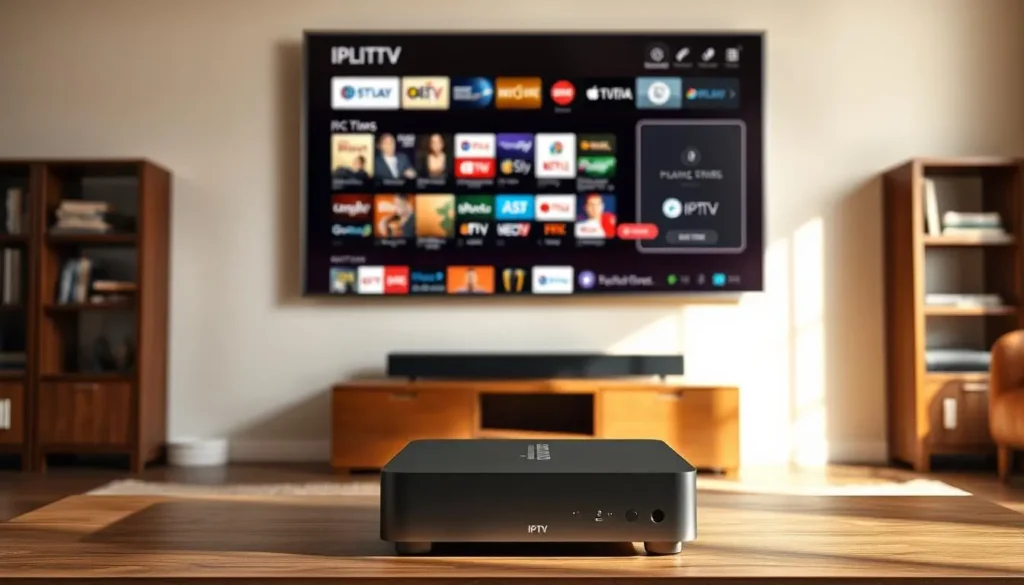
Content Libraries and Channel Selection
IPTV services have been rapidly expanding their content libraries, offering a wide range of channels that cater to diverse viewer preferences. “IPTV is revolutionizing the way we consume television, providing personalized viewing experiences through vast content libraries,” says a leading industry analyst. IPTV’s ability to offer customizable channel packages is a significant advantage, allowing viewers to select only the channels they watch.
In contrast, traditional cable TV typically offers a broader range of channels in their standard packages, but often includes many channels that viewers may never watch. This can result in paying for content that doesn’t interest you. However, cable TV still maintains a strong lineup of popular channels and has made strides in offering more flexible packaging options in recent years.
Premium Channels and Sports Coverage
When it comes to premium channels and sports coverage, both IPTV and traditional cable TV have their strengths. IPTV services have made significant inroads in offering premium content, including sports channels, through partnerships with major networks. For instance, many IPTV providers now offer access to major sports leagues, ensuring that sports fans don’t miss out on live events.
Traditional cable TV, on the other hand, has long been the go-to for sports enthusiasts, with many exclusive sports channels available through their packages. However, the landscape is changing, with IPTV closing the gap by offering competitive sports coverage.
Key Highlights:
- IPTV offers customizable channel packages.
- Traditional cable TV includes a broad range of channels in standard packages.
- Both services offer premium channels and sports coverage.
Local Programming and Regional Content Access
Access to local programming and regional content is another critical aspect of the channel availability showdown. Traditional cable TV has historically had an edge in this area, with widespread availability of local channels and regional content. However, IPTV services are rapidly improving their local channel offerings, with many now providing access to local programming and regional sports networks.
As the television landscape continues to evolve, the competition between IPTV and traditional cable TV will only intensify, benefiting consumers with more choices and better services. Understanding the nuances of each service’s channel offerings is key to making an informed decision about which is best for your viewing needs.
Technical Requirements for Optimal Viewing
When choosing between IPTV and traditional cable, understanding the technical requirements is crucial for an optimal viewing experience. The differences in technical specifications between these two services can significantly impact how you enjoy your favorite shows and movies.
Internet Bandwidth Requirements for IPTV
IPTV relies heavily on your internet connection. For a smooth viewing experience, your internet bandwidth must meet certain thresholds.
Minimum Speeds for Different Quality Levels
The quality of your IPTV stream is directly related to your internet speed. For standard definition, a minimum speed of 3 Mbps is recommended. For high definition, you’ll need at least 5 Mbps, while 4K content requires a robust 25 Mbps or more.
Reliability Considerations
It’s not just about the speed; the reliability of your internet connection is equally important. A stable connection ensures that your IPTV service doesn’t buffer or freeze during your favorite shows.
Hardware Needs: Devices and Equipment
Both IPTV and traditional cable require specific hardware to function. For IPTV, you’ll need a compatible device such as a smart TV, streaming box, or mobile device. Traditional cable, on the other hand, typically requires a cable box and possibly a DVR.
Installation Complexity Comparison
The installation process differs significantly between IPTV and traditional cable. IPTV often requires less physical infrastructure, as it utilizes your existing internet connection. In contrast, traditional cable necessitates cable installation, which can be more invasive and complex.
User Experience and Interface Innovations
As you explore the world of television services in 2026, the user experience has become a crucial differentiator between IPTV and traditional cable. The way you interact with your TV is no longer just about channel surfing; it’s about navigating through a complex ecosystem of content, features, and devices.
Content Discovery and Navigation Systems
IPTV services have made significant strides in content discovery, offering personalized recommendations based on your viewing history. This is a significant iptv advantage over traditional cable, where you often have to sift through hundreds of channels to find something you like.
- Intuitive menus and search functions
- Customizable home screens
- Real-time content suggestions
These features make it easier for you to find new shows and movies, enhancing your overall viewing experience.
Multi-device Accessibility and Streaming
One of the key benefits of IPTV is its ability to stream content across multiple devices. Whether you’re watching on your TV, tablet, or smartphone, IPTV services provide a seamless experience. This flexibility is a significant factor in the cable tv vs iptv debate, as traditional cable often requires specific hardware and is less adaptable to different viewing scenarios.
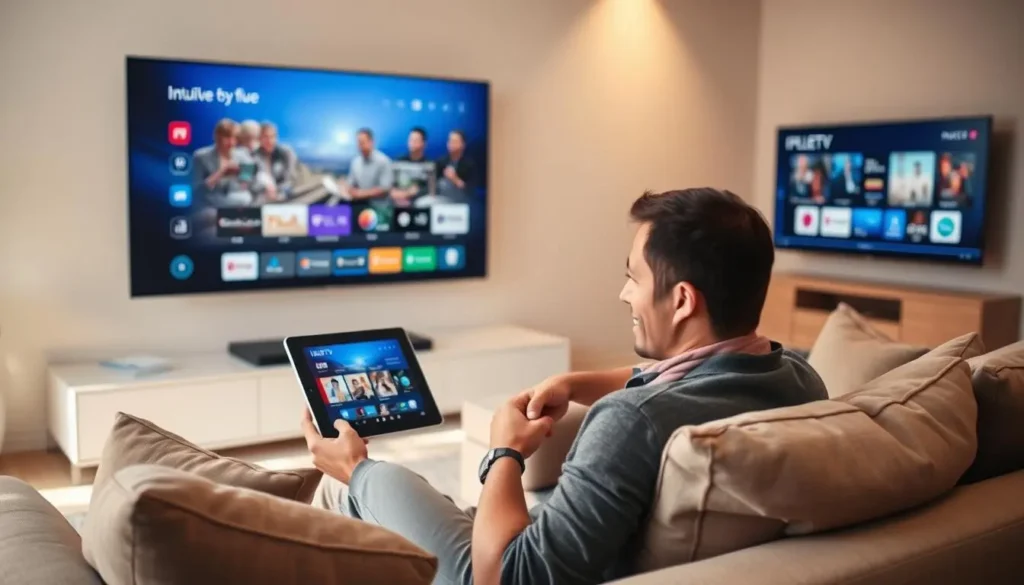
On-Demand and Time-Shifting Capabilities
Both IPTV and cable TV offer on-demand content, but IPTV often has an edge in terms of flexibility and accessibility. With IPTV, you can watch your favorite shows at any time, pause live TV, and even record content for later viewing. These features give you more control over your viewing experience, making IPTV an attractive option for those who value convenience.
In conclusion, when it comes to user experience and interface innovations, IPTV is pushing the boundaries with its advanced content discovery, multi-device accessibility, and on-demand capabilities. As you consider your options for television services in 2026, these factors are likely to play a significant role in your decision-making process.
IPTV Benefits vs. Traditional Cable Limitations
IPTV is transforming the television industry with its innovative approach to content delivery and viewing experience. As we explore the advantages of IPTV and the drawbacks of traditional cable, it becomes clear that the future of television lies in flexibility and accessibility.
Key Advantages of Modern IPTV Services
Modern IPTV services offer a range of benefits that enhance your viewing experience. Two significant advantages are flexibility and customization options, as well as global content access.
Flexibility and Customization Options
With IPTV, you can enjoy customized viewing experiences tailored to your preferences. IPTV services allow you to create personalized packages, choosing the channels and content that matter most to you. This flexibility is a significant departure from the rigid package structures offered by traditional cable providers.
Global Content Access
IPTV services provide access to a vast library of global content, including international channels, on-demand movies, and exclusive series. Whether you’re interested in international news, foreign language programming, or content from specific regions, IPTV gives you the ability to explore a world of content beyond local broadcasts.
Persistent Drawbacks of Cable TV Systems
Despite the advancements in IPTV, traditional cable TV systems still have their loyal customer base. However, they come with significant drawbacks, including contract restrictions and geographic limitations.
Contract Restrictions
Traditional cable TV often requires lengthy contracts that can be difficult to exit without incurring significant penalties. These contracts can limit your flexibility and make it challenging to adjust your viewing options as your preferences change.
Geographic Limitations
Cable TV is also constrained by geographic limitations, with availability and channel lineups varying significantly from one region to another. This can be particularly problematic for those who travel frequently or have interests that aren’t well-served by local programming.
As the television landscape continues to evolve, it’s clear that IPTV’s flexibility, customization, and global content access offer a compelling alternative to the limitations of traditional cable TV.
Making the Switch: Practical Transition Guide
If you’re thinking of ditching traditional cable for IPTV, here’s a practical guide to help you make the switch. Transitioning to IPTV involves several key considerations, including evaluating your viewing needs, understanding technical requirements, and navigating contract options.
Evaluating Your Household’s Viewing Needs
To make an informed decision, assess your household’s viewing habits. Consider the number of devices that will stream IPTV simultaneously and the type of content you usually watch.
- Number of viewers
- Type of content (sports, movies, TV shows)
- Devices used for streaming
Technical Setup Requirements
IPTV requires a stable internet connection. Check your internet bandwidth to ensure it meets IPTV requirements, typically at least 25 Mbps for HD content.
| Content Type | Required Bandwidth |
|---|---|
| SD | 5 Mbps |
| HD | 25 Mbps |
| 4K | 50 Mbps |
Contract Considerations and Bundling Options
Review your current cable contract and understand the terms. IPTV services often offer more flexible plans without long-term contracts.
“Cutting the cord doesn’t have to mean cutting your entertainment options. IPTV offers flexibility and a range of content choices.” –
IPTV Expert
Conclusion: The Future of Television in 2026 and Beyond
As we look ahead to 2026 and beyond, the television landscape is poised for significant changes. The debate between cable TV vs IPTV continues to gain momentum, with each side offering distinct advantages and disadvantages. IPTV advantages, such as flexibility, personalized content, and cost-effectiveness, are increasingly appealing to modern viewers.
In contrast, traditional cable TV is hampered by cable TV limitations, including rigid package structures, higher costs, and limited on-demand capabilities. As consumers become more tech-savvy and demanding, the need for innovative, user-centric television services grows. IPTV is well-positioned to meet these needs, offering a more streamlined and interactive viewing experience.
When evaluating your television options, consider your viewing habits and the benefits of each service. As the television industry continues to evolve, IPTV is likely to play a significant role in shaping the future of entertainment and media consumption. By understanding the key differences between cable TV vs IPTV, you can make informed decisions about your television services and stay ahead of the curve.
FAQ
What is the main difference between IPTV and traditional cable TV?
The primary difference lies in how content is delivered. IPTV uses internet protocol to stream content, while traditional cable TV relies on a physical cable connection.
How do IPTV services compare to traditional cable in terms of cost?
IPTV services often offer more flexible pricing models and can be more cost-effective, as you can choose specific channels or packages, whereas traditional cable TV typically requires a bundled package.
Can I watch IPTV on any device?
Yes, IPTV services are designed to be accessible on multiple devices, including smartphones, tablets, smart TVs, and streaming devices, as long as you have a stable internet connection.
What are the technical requirements for IPTV?
To use IPTV, you need a stable internet connection with sufficient bandwidth. The minimum speed required varies depending on the quality of the stream, but generally, a 25 Mbps connection is recommended for HD content.
Do traditional cable providers offer on-demand content?
Yes, many traditional cable providers offer on-demand content as part of their service, allowing you to watch your favorite shows and movies at any time.
Can I customize my IPTV subscription?
IPTV services typically allow for more customization, enabling you to choose specific channels or add-ons that fit your viewing preferences, unlike traditional cable TV, which often comes in pre-set packages.
Are there any contract restrictions with IPTV services?
IPTV services generally do not require long-term contracts, offering more flexibility compared to traditional cable TV providers, which often have contract commitments.
How does IPTV handle local programming and regional content?
IPTV services have made significant strides in offering local programming and regional content, though availability can vary depending on the provider and your location.
What are the advantages of IPTV over traditional cable TV?
IPTV offers several advantages, including flexibility, customization options, global content access, and often, a more cost-effective pricing model.
Can I switch from traditional cable to IPTV easily?
Yes, switching from traditional cable to IPTV can be relatively straightforward. You should evaluate your viewing needs, check the technical requirements, and consider contract obligations before making the switch.